Commercial Waste Removal in Barnet
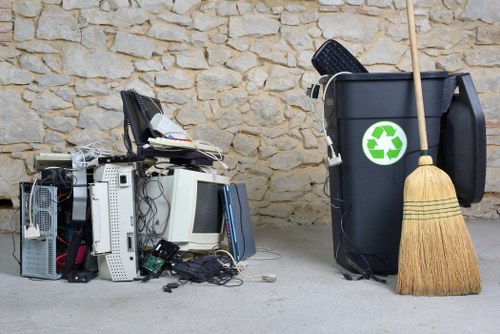
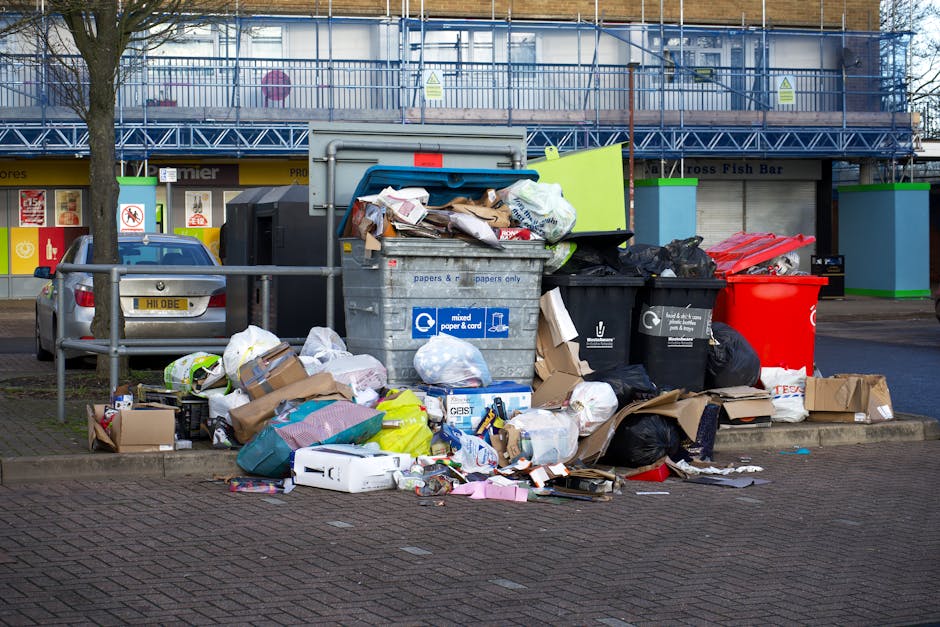
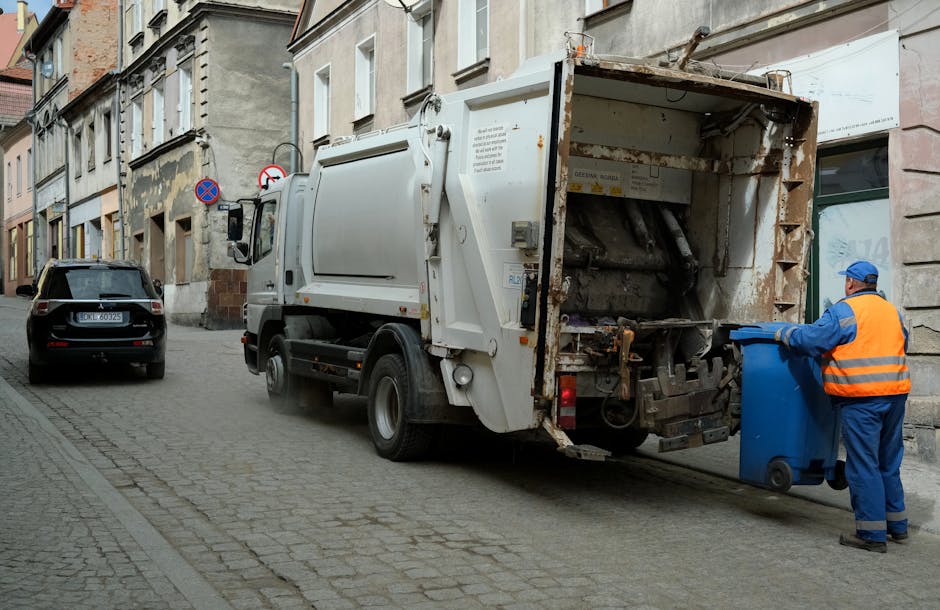
Commercial waste removal in Barnet for shops, offices, workshops and other business premises needs to be practical, tidy and organised. We focus on collecting and clearing commercial waste in a way that helps businesses keep operating without unnecessary disruption. That can include routine mixed waste, bulky items, unwanted fixtures and other non-hazardous loads that need prompt attention and sensible sorting. The aim is straightforward: remove what is no longer needed, direct it into the right disposal route where possible, and leave the premises ready for normal use.
For many organisations, the service is less about a single collection and more about a reliable way to manage ongoing waste. We can support one-off clearances alongside larger planned jobs, with a scope shaped by the type of premises and the material involved. Business waste removal covers common commercial loads, while specialist item types such as office contents, furniture and appliances can be handled through relevant service routes. If you are comparing options, the main point is to match the waste stream to the right method so that the clearance is efficient and responsible.
The best starting point is usually a clear description of what needs removing, where it is located and how much space it occupies. If there are access limits, shared entrances or items that should stay on site, those details help shape a suitable plan. You can ask for a quotation once the scope is known, and if you have several waste types together it may be useful to separate them before the collection so the right service is used for each part.
Commercial waste collection for day-to-day premises
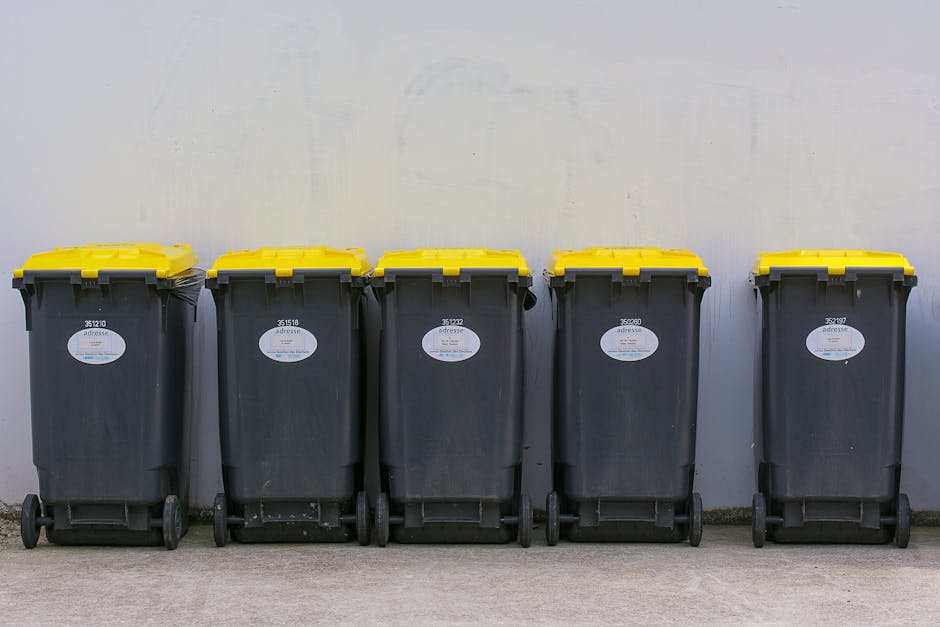
Commercial waste collection can cover a broad mix of materials, but the most useful approach is usually to separate what is routine from what needs extra care. Cardboard, packaging, broken furniture, office clutter and general business rubbish are often best handled with a planned load that keeps pathways, work areas and storage spaces clear. Where businesses generate waste regularly, an organised removal can be easier than allowing material to build up until it becomes harder to move.
When planning a clearance, it helps to think about what the waste consists of rather than just how full the room looks. A few heavy items can need more lifting and carrying than a larger volume of light material. Likewise, mixed loads may require more sorting than homogeneous rubbish. Our service is set up to deal with commercial waste in a practical way, so the collection can be aligned with the nature of the items rather than forcing every job into the same mould.
What is usually included
Typical commercial clearances may involve office waste, redundant shelving, unwanted stock, broken displays, packaging waste and general business refuse. In some settings, there may also be items that need to be separated for recycling or handled as distinct categories because of their material or construction. A careful sort before removal can save time on site and make it easier to direct items to the appropriate route afterwards.
Business premises and workplace clearances

Businesses often need more than a single lift-and-load visit. Premises can include storage rooms, back-of-house areas, customer-facing spaces, plant rooms and service corridors, each with its own access and handling considerations. A commercial waste removal service needs to respect those conditions so that the collection is carried out with the least practical interruption to trading, staff movement and site routines. That can be especially important where the waste is located behind equipment, in compact rooms or at the end of a busy corridor.
Office clearance is relevant where desks, chairs, filing units, screens or surplus office contents are being removed, and it can sit alongside wider business waste work when an organisation is reconfiguring its layout. For locations with a mix of general refuse and bulky items, the key decision is often whether the waste should be grouped by area or by item type. Either way, the collection should be arranged so that it remains manageable, clear and proportionate to the actual load.
Before booking, it is sensible to note any stairs, lifts, parking constraints or restricted working times that may affect the removal. It is also useful to identify items that must remain in place, especially in shared buildings or leased units. Those details let you request a quotation that reflects the real scope of the job, rather than an estimate based on incomplete information. Clear access information and a simple inventory can make the process more accurate.
Furniture, fixtures and bulky commercial items
Business waste is often not just loose rubbish. Many commercial premises need unwanted furniture, counters, shelves, cabinets or display items removed as part of a refresh, relocation or closure. These items can be bulky, awkward to carry and difficult to move through narrow entrances, so the removal plan needs to take handling and dismantling into account where necessary. The goal is to clear the item safely and avoid damage to the building or the remaining fixtures.
Furniture clearance and furniture disposal are relevant where seating, tables, storage units or similar contents are no longer required. In a commercial setting, those items may come from reception areas, meeting rooms, staff spaces or customer areas. Some pieces can be suitable for reuse or recycling depending on condition and material, while others need disposal. A measured approach keeps the work tidy and helps ensure the right route is used for each item.
When furniture is part of a larger waste load, it can help to identify whether the items are free-standing or fixed, whether they need to be dismantled, and whether there are any particularly heavy or awkward pieces. If you are planning a wider office or shop clearance, note which objects should stay on site. That makes it easier to ask for a quotation that reflects the actual mix of items rather than assuming everything is the same kind of waste.
Retail, stockroom and storage waste
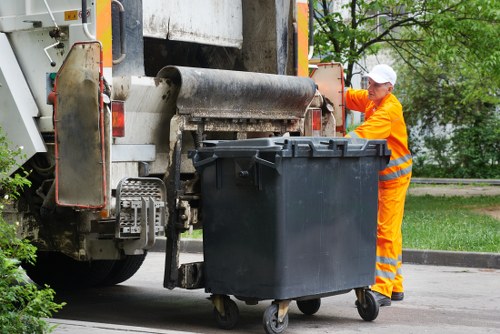
Retail and storage environments often create a waste profile that changes over time. Packaging, damaged stock, old promotional material, broken fittings and redundant backroom equipment can all accumulate in ways that interfere with normal operations if they are not removed in sensible stages. Commercial waste removal for these premises needs to be flexible enough to deal with both small clear-outs and more substantial changes to layout, stockholding or merchandising.
Garage clearance can also be relevant where a commercial unit uses a garage-like outbuilding, side store or auxiliary space for storage, maintenance items or surplus equipment. The service may involve a combination of general rubbish, larger pieces and heavier objects that are awkward to sort. In those cases, the practical question is usually how to clear the area efficiently while preserving the items that still have a use and separating anything that belongs in a different waste stream.
In any stockroom or storage area, it is wise to identify what is waste and what is inventory before the removal begins. A quick sort can prevent usable stock from being mixed in with rubbish, and it helps the collection stay focused on the right material. Distinguishing disposal items from retained goods is especially helpful where the room has been used for multiple purposes. Once the scope is clear, a quotation can be prepared with fewer surprises.
Appliances, equipment and other metal items
Some commercial waste is more specialised than general rubbish because it contains electrical parts, refrigeration components or heavy metal casings. Appliances and equipment should be treated with attention to their type and condition rather than being bundled into a generic clearance. That is important for both handling and disposal, because different items may need different routes once removed from the premises. The same applies to mixed loads where one part is straightforward and another needs particular care.
Fridge and appliance removal is suitable where business kitchens, staff rooms, hospitality spaces or storage areas hold unwanted cold appliances or other large equipment. Some sites also need broader disposal of broken machines or redundant devices. In those cases, the collection needs to account for weight, access and the fact that such items may not be able to be treated like ordinary refuse. Careful separation helps keep the process orderly and supports responsible handling.
If you are planning a collection that includes appliances, it helps to note the number of units, whether they are freestanding, and whether they are situated in an upstairs room, basement or locked area. Those practical details are more useful than general descriptions such as “a lot of old kitâ€. They allow the quotation to be based on the real work involved and make it easier to arrange the removal in one visit where appropriate.
Specialist waste streams and controlled handling
Not every commercial load can be managed in the same way. Certain materials need closer attention because of safety, privacy or disposal requirements. That can apply to sensitive documents, items that may contain confidential information, or waste that must be separated from the general load before removal. A commercial waste service should make those distinctions clear so the customer can choose the right route rather than treating all unwanted material as one category.
Confidential shredding is useful where documents or records need secure destruction rather than ordinary disposal. In a business setting, that can matter for records stored in filing cabinets, archive boxes or mixed office clear-outs. Likewise, hazardous waste disposal is relevant only where items genuinely fall into a controlled category and need separate treatment. The important point is to identify the stream correctly, because a general waste collection is not the same thing as specialist handling.
Where specialist items are present, it is sensible to separate them before the collection rather than leaving them mixed into general waste. That reduces confusion on the day and makes the quotation easier to match to the task. If you are unsure whether a load includes controlled material, describe the items plainly and ask for guidance on the most suitable route. A careful assessment is better than assuming everything can be taken together.
Clearance planning, loading and practical preparation

Good commercial waste removal is usually based on preparation rather than speed alone. When a site is ready, the load can be assessed, moved and removed more efficiently, but that does not mean the business needs to do the heavy lifting itself. The useful part of preparation is simply making the scope visible: knowing which rooms are involved, what needs to stay and whether anything is fragile, fixed or awkward to move.
Two details are often enough to improve the accuracy of a quotation: a short description of the items and a sense of how they are arranged. For example, whether they are in a single room, spread across several floors or stored behind other equipment can affect how the job is planned. If there are photographs or a rough inventory, they can help with clarity. The aim is not formality for its own sake, but a cleaner assessment of the work that needs to be done.
For businesses that want a simple process, the best approach is to identify what can be cleared together and what should be treated separately.
- Group similar items where possible.
- Keep retainable stock or equipment apart from waste.
- Note any access limitations or building rules.
Recycling, reuse and responsible disposal
Commercial waste removal is not only about moving material off site. It is also about making sure items go to the most suitable destination once they are collected. Some waste streams contain recyclable material, some can be sorted for recovery, and some must be disposed of because they are damaged, contaminated or no longer usable. A sensible removal service takes those differences seriously so that the clearance is not treated as a single undifferentiated load.
Recycling and sustainability is relevant where a business wants to understand how reusable or recyclable material may be separated from the main waste stream. That can be particularly useful for offices, retail units and storage premises that generate a mix of cardboard, furniture, metal parts and general rubbish. The important decision is to arrange the clearance in a way that allows useful material to be identified before it is mixed beyond recovery.
Where the waste includes items with value in reuse or recycling, it is often better to mention that from the start. Doing so does not guarantee a particular outcome, but it helps the work be planned more thoughtfully. The result is a more orderly clearance and a more honest understanding of what can be diverted from disposal. If responsible handling matters to you, ask for a quotation that reflects the actual mix of material.
About Barnet
Barnet is a large area in north London with a long history that reaches back well beyond the modern borough boundaries. The name is associated with the ancient market town of High Barnet, whose medieval and post-medieval growth was shaped by its position on routes linking London with the north. Over time, what is now commonly referred to as Barnet came to include a wider collection of districts, from older town centres to suburban streets developed during the railway and tram era. The area contains a varied built environment: traditional high street architecture, Victorian and Edwardian housing, interwar suburbs and later commercial development. That variety gives Barnet a layered character rather than a single uniform identity. Church buildings, local green spaces and established civic landmarks sit alongside busy roads and modern retail frontages, while the historic core still retains traces of the older settlement pattern. High Barnet’s hilltop setting is one of the area’s defining geographical features, and the surrounding landscape drops away towards the valleys and lower ground beyond. Nearby open spaces, including larger commons and parks across the district, have long supported walking, leisure and a sense of separation between neighbourhoods. Barnet also has strong transport connections, with Underground and rail links that have helped shape residential growth and local commerce. Cultural life is spread across libraries, schools, community venues and town-centre amenities, giving the area a practical mix of local services and everyday movement. In this way Barnet combines historic continuity with the ordinary rhythms of a large suburban district, where older streets, main roads and green edges coexist within the same wider place.
Office moves, floor changes and wider site clearances

Some commercial waste removal jobs are closely tied to a move, refit or restructure. Offices may be changing their layout, retail units may be updating displays, and other premises may need to clear redundant material from several rooms at once. In those situations, the value of a removal service lies in keeping the process organised, avoiding accidental retention of waste and making sure the work fits the wider schedule of the site. The same approach is useful when several departments or units need support at once.
Flat clearance, home clearance, house clearance and loft clearance are not commercial pages in the same sense, but they can still be relevant where business premises include living accommodation, staff housing or mixed-use spaces. The correct choice depends on what is actually being removed and from where. The main point is not to overstate the job: a trade clearance should be matched to the premises and the contents, so the right waste stream is used from the outset.
If your premises involve more than one kind of waste, it is usually best to say so plainly and ask for a quotation that reflects the full scope. Pricing and quotes can help when you want to understand how the work may be assessed, while contact us is the natural final step if you are ready to discuss the removal in more detail. Tell us what needs clearing, and we can help you move towards a straightforward booking.