Garden waste disposal near The Hive Whetstone: a practical guide for tidy, stress-free clearance
If your garden has reached that awkward stage where a few branches, a pile of grass cuttings, and a half-dismantled hedge start to look like a full weekend project, you are not alone. Garden waste disposal near The Hive Whetstone is one of those jobs that feels simple at first, then suddenly turns into bags, mud, awkward lifting, and a car boot that still smells faintly green two days later. In a busy part of North London, people want a tidy garden, a quick turnaround, and a disposal method that does not create more hassle than the original mess.
This guide breaks down how garden waste disposal works, what can be removed, what to avoid, and how to choose the most sensible option near The Hive Whetstone. You will also find a comparison of disposal methods, a checklist, a real-world style example, and a few practical tips that make the whole job feel much less annoying. Let's face it, garden clear-outs are satisfying only after the waste has actually gone.
Why garden waste disposal near The Hive Whetstone matters
A well-kept garden is about more than appearance. When clippings, soil, branches, and old planting material start building up, the space becomes harder to use and harder to enjoy. Around The Hive Whetstone, where homes, flats, shared outdoor spaces, and small gardens often need efficient upkeep, garden waste can accumulate faster than people expect. One cutback session can easily create several bags of waste, and a simple trim can turn into a bulky pile of awkward, scratchy material.
Good disposal matters for three clear reasons. First, it helps keep outdoor spaces usable. Second, it prevents waste from being left sitting around, breaking down, smelling, or attracting pests. Third, it keeps the job compliant and tidy, especially when some garden waste cannot simply be shoved into general rubbish. If you have ever tried to move a soggy bag of hedge trimmings on a wet afternoon, you will know exactly why this matters.
There is also a local convenience factor. Near The Hive Whetstone, many people prefer a fast, organised collection rather than repeated trips to a tip or waiting for a council collection slot that may not fit the weekend plan. That is where a dedicated garden clearance service can be useful, especially if you need a more complete clear-out rather than a few bin bags taken away.
Expert summary: the best garden waste disposal method is usually the one that matches the size, weight, and urgency of the job. Small tidy-up? Bag it carefully. Bigger project? Use a proper collection plan. Mixed waste? Separate it early and save yourself a headache.
How garden waste disposal near The Hive Whetstone works
In practical terms, garden waste disposal is the process of collecting, loading, and removing organic green waste and related outdoor debris from your property. That might include grass cuttings, leaves, hedge trimmings, prunings, branches, weeds, plants, and in some cases soil or turf, depending on the service and the material mix. The exact scope can vary, which is why it pays to check what is included before you start filling bags.
The usual process is straightforward:
- Sort the waste into green waste, heavy material, and anything that is clearly not garden waste.
- Bag or stack it in a way that makes lifting safer and quicker.
- Arrange collection at a time that works around your schedule and access needs.
- Load and remove the waste using the right vehicle and labour for the job.
- Dispose responsibly through the appropriate recycling or waste-processing route.
Some jobs are tiny and neat. Others are not. A garden that has been left untouched for months can produce a surprising mix of waste: branches, potting soil, broken pots, old timber edging, dead plants, and maybe a rusty trellis that was meant to be temporary about three summers ago. In those cases, it is wise to look at broader waste removal support rather than assuming everything belongs in the same pile.
One practical point that people often miss: wet green waste is heavier than it looks. A few damp bags of grass clippings can feel twice their size by the time you carry them to the kerb. You notice it in the shoulders, usually halfway down the path.
Key benefits and practical advantages
There are plenty of reasons people choose proper garden waste disposal near The Hive Whetstone instead of trying to handle everything themselves. Some are obvious, others only become obvious after the first painful trip with a sack of branches rubbing against your leg.
- Time savings: you clear the garden once, not over several weekends.
- Less physical strain: lifting thorny, damp, or bulky waste is not everyone's idea of a good time.
- Cleaner finish: a full collection leaves the space ready for planting, seating, or just looking decent.
- Better sorting: professional clearance can help separate recyclable garden waste from non-garden items.
- Reduced mess: no piles waiting around in the driveway or side passage.
- More flexibility: useful if you are clearing before a garden makeover, tenancy change, or family gathering.
For many households, the real win is momentum. Once the waste is out of the way, the garden suddenly feels manageable again. You can see the border properly. You can reach the shed. The whole place stops feeling like a job you keep meaning to get back to.
That is also why a collection can make sense after bigger outdoor jobs such as hedge cutting, patio cleaning, or the tail end of a renovation. If your project spills into mixed debris, a service like builders waste clearance may be relevant too, especially where soil, timber offcuts, and packaging are all mixed together.
Who this is for and when it makes sense
Garden waste disposal near The Hive Whetstone is not just for large houses with dramatic lawns. It can help a wide range of people and properties.
It makes sense for:
- homeowners after seasonal cutbacks or storm damage
- landlords preparing a garden between tenancies
- tenants who need to leave an outdoor space tidy
- busy families with no time for repeated tip runs
- older residents who want help with heavy lifting
- small businesses with external planting areas
- property managers handling shared outdoor spaces
It also makes sense when the waste is awkward rather than simply large. Long branches can be a nightmare to transport in a normal vehicle. Loose hedge cuttings blow everywhere. Soil stains everything. And if you have a mix of outdoor waste plus old garden furniture or broken storage, the job becomes much less straightforward. In those cases, pairing garden disposal with garage clearance or home clearance can be a surprisingly tidy solution.
To be fair, people often wait until the garden looks overwhelming before calling for help. That is normal. But the earlier you sort the waste, the easier the whole process becomes. Once moisture gets into green waste and it starts compacting, it can become a much heavier lift than expected.
Step-by-step guidance
If you want the job to go smoothly, work through it in a sensible order. Nothing fancy. Just a practical sequence that avoids last-minute panic and awkward surprises.
- Walk the garden first. Look at what needs removing and identify anything mixed in with the green waste, such as plastic pots, wire, stones, broken tools, or old timber.
- Separate the waste into categories. Keep grass, leaves, and soft cuttings together; stack branches separately; keep soil and rubble apart if possible.
- Decide what can be reused. Some branches can be chipped or composted, and some soil can be reused in borders. Do not rush to throw away useful material.
- Bag or bind the waste securely. Use strong sacks for loose material and tie branches neatly. This makes loading safer and quicker.
- Clear access routes. Make sure the path from garden to vehicle is free of toys, plant pots, and anything else that could trip someone up.
- Check the collection method. If you are using a clearance service, confirm what they will take and whether mixed loads are acceptable.
- Load efficiently. Put heavier items at the bottom and lighter material on top where possible.
- Do a final sweep. Small pieces of hedge, bits of twig, and windblown leaves can make a space look unfinished.
If the waste includes items that are not typical green waste, it may need a different route. For example, appliances, old outdoor fridges, or power equipment should be handled separately, and a specialist service such as fridge and appliance removal may be more appropriate. Likewise, broken garden chemicals or treated materials may require extra care.
Small tip, but useful: keep one empty bag nearby. It sounds obvious, yet somehow there is always a moment when you need one more sack and the rest are already full, wet, and tied in knots. A classic little garden-day mess.
Expert tips for better results
After enough garden clear-outs, a few habits stand out as genuinely helpful.
- Cut down bulky waste before bagging. Shorter branches are easier to stack and less likely to snag.
- Keep wet and dry waste separate where possible. Wet grass makes the load heavier and messier.
- Use the right gloves. Thorny shrubs and broken stems can catch you out. Thin gloves are rarely enough.
- Do the heaviest work first. Soil, turf, and branch bundles are best handled before you get tired.
- Watch out for hidden mix-ins. Old plant labels, broken irrigation parts, nails, and stones often hide in plain sight.
- Plan around the weather. A dry morning makes loading much simpler than a damp evening after rain.
One useful pattern is to treat garden waste like a sorting job, not a dumping job. The more consistent you are at the start, the less sorting someone has to do later. That saves time, and it usually saves money too.
If sustainability matters to you, it is worth asking how the waste is processed. Many people prefer services that make an effort to divert suitable green waste away from general disposal routes. For more on the wider approach, you can look at recycling and sustainability.
Common mistakes to avoid
Garden clearances usually go wrong in the same few ways. None of them are dramatic on their own, but together they can turn a simple task into a bit of a saga.
- Mixing everything together. Green waste, soil, rubble, plastic, and broken furniture should not all end up in one heap unless the service explicitly accepts it.
- Overfilling bags. Heavy sacks split, and split sacks are annoying in a very specific, irritating way.
- Leaving waste to sit too long. It gets heavier, smellier, and more compact the longer it stays.
- Forgetting access. A clear collection route matters just as much as the waste itself.
- Assuming every service takes the same materials. They do not. Always confirm in advance.
- Ignoring safety. Gloves, stable footwear, and sensible lifting really do matter.
People also underestimate how quickly a garden job creates secondary waste. You start with hedge trimmings, then discover old compost bags, a cracked planter, and a rusty bit of trellis. It happens all the time. No shame in that at all.
Tools, resources and recommendations
You do not need a shed full of specialist kit to manage garden waste properly, but a few basic tools make the process cleaner and safer.
| Item | Why it helps | Best for |
|---|---|---|
| Heavy-duty garden sacks | Contain loose clippings and make lifting easier | Leaves, grass, weeds, small cuttings |
| Gloves with grip | Protect hands from thorns and rough stems | Pruning, branch handling, clearing borders |
| Secateurs or loppers | Reduce bulky branches to manageable sizes | Hedges, shrubs, woody waste |
| Tarpaulin or sheet | Keeps waste together and reduces mess | Dragging cuttings to a collection point |
| Rake and broom | Collects the small debris that makes the area look unfinished | Final tidy-up |
For some people, the simplest route is to use a professional collection service rather than buy equipment for a one-off job. If your needs are broader than garden waste alone, a general waste removal option can sometimes be the cleaner fit, especially for mixed household or outdoor items.
And if you are comparing how a clearance load might be handled, it can help to check related guidance such as what can go in a skip. Even if you do not use a skip, the sorting logic is still useful.
Law, compliance, standards, or best practice
Garden waste disposal is not just about convenience. In the UK, waste should be handled responsibly, and garden waste is no exception. The main practical point is simple: you should use a legitimate disposal route and avoid letting waste end up fly-tipped, burned inappropriately, or mixed with prohibited materials.
Best practice usually means:
- sorting waste as well as you can before collection
- keeping hazardous or unusual items separate
- using a provider that can explain where the waste goes
- avoiding contamination of recyclable green waste with plastics or rubble
- taking extra care with any sharp, treated, or potentially harmful materials
If a garden job includes anything that might be classed as hazardous, handle it separately. That could include containers of old chemicals, treated wood, or contaminated materials. In those cases, a specialist route such as hazardous waste disposal may be more suitable than a standard garden clearance.
It is also sensible to choose a provider that treats access, loading, and site safety seriously. A quick look at their health and safety policy and insurance and safety information can give you extra peace of mind. Nothing flashy. Just sensible due diligence.
Options, methods, or comparison table
There is no single best method for everyone. The right choice depends on volume, urgency, access, and how much lifting you want to do yourself.
| Method | Best for | Pros | Trade-offs |
|---|---|---|---|
| DIY bagging and local disposal | Small, light loads | Low cost, simple for tiny jobs | Time-consuming, physically demanding, limited capacity |
| Skip-based approach | Medium to large projects with steady waste generation | Convenient for ongoing clearance | Requires space, planning, and understanding of load rules |
| Professional garden waste collection | Mixed, heavy, or urgent loads | Fast, tidy, less lifting for you | Usually higher direct cost than doing it yourself |
| Full property clearance | Gardens with extra items, clutter, or linked outdoor storage | Useful when the job is not just green waste | May be broader than you actually need |
If your garden task includes old furniture, broken outdoor seating, or extra clutter from a shed, the broader services may fit better. That might mean looking at furniture clearance or even garage clearance if the mess has spread beyond the planting beds.
Case study or real-world example
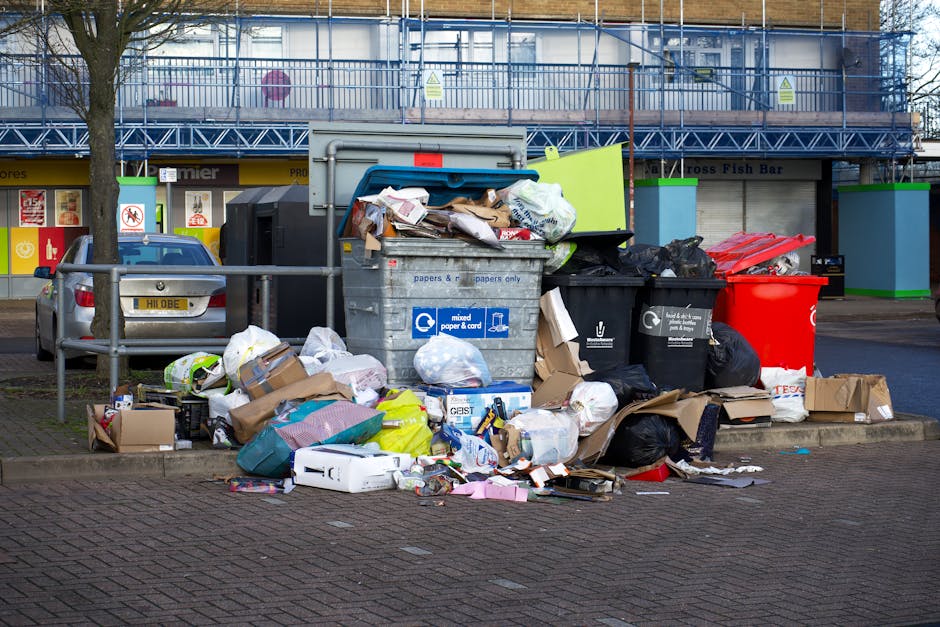
Picture a typical Saturday near The Hive Whetstone. A homeowner has spent the morning cutting back ivy, trimming a hedge, and pulling out an overgrown patch at the back of the garden. By lunchtime, the neat border they imagined has turned into four bags of wet clippings, a pile of woody stems, one cracked planter, and a surprising amount of soil on the paving. The garden looks better already, but the waste is taking up the very space they wanted to enjoy.
Rather than trying to squeeze everything into a small car, they sort the material into three groups: green waste, bulky branches, and non-garden items. The green waste goes into sacks, the branches are bundled, and the planter is set aside for separate disposal. A collection is arranged for the same day, which means the pile does not sit around until Monday. By mid-afternoon the patio is visible again, the access path is clear, and the rest of the weekend can be spent actually using the space. You know, sitting down with a tea instead of wrestling twigs.
That is the pattern that works best for many households: sort early, separate the awkward bits, and choose the disposal method that matches the size of the job. Not glamorous, but effective. And honestly, that is usually what people need.
Practical checklist
Use this quick checklist before collection day.
- Have you separated green waste from mixed rubbish?
- Are branches cut down to a manageable length?
- Are sacks tied securely and not overfilled?
- Is the access route clear for safe loading?
- Have you removed any hazardous or non-garden items?
- Do you know whether soil, turf, or rubble is included?
- Have you checked whether extra items need a different service?
- Is there a final sweep planned for small debris and leaf litter?
If the answer to any of those is no, sort that part out first. It usually saves time later, and a calmer collection day is worth a lot.
Conclusion
Garden waste disposal near The Hive Whetstone is easiest when you treat it as a tidy process, not a rushed chore. Sort the waste, separate the awkward items, choose the right disposal method, and keep access simple. That approach saves effort, avoids confusion, and leaves the garden ready to enjoy rather than ready for another round of clearing.
Whether you are dealing with a few sacks of trimmings or a much larger seasonal clear-out, the key is to match the service to the scale of the job. Small and light? Keep it simple. Bigger and messier? Bring in proper help. The difference is often a lot of peace of mind, which is worth quite a bit on its own.
Get a free quote today and see how much you can save.
And once the waste is gone, take a moment to look back at the space. A clean garden has a way of giving you a bit of breathing room, even on a busy London street. That, more than anything, is the real payoff.
Frequently Asked Questions
What counts as garden waste?
Garden waste usually includes grass cuttings, hedge trimmings, branches, leaves, weeds, plants, roots, and similar organic material. Some services also take small amounts of soil or turf, but that is not always included, so it is worth checking first.
Can I mix garden waste with general rubbish?
It is better not to. Mixed loads are harder to process and may need a different disposal method. Keep green waste separate from plastics, rubble, metal, and broken household items wherever possible.
Is it better to use bags or bundles?
Both can work well. Bags are good for loose clippings and leaves, while bundles are often better for branches and woody stems. The main thing is to keep everything secure and manageable to lift.
How do I know if I need a full clearance rather than garden waste disposal?
If the job includes old furniture, shed contents, broken tools, or a lot of mixed outdoor clutter, a broader clearance service may be more appropriate. When in doubt, think about whether the waste is mostly green material or a mix of different items.
Can wet garden waste be collected?
Usually yes, but wet waste is heavier and messier. If possible, let cuttings dry a little before bagging them. That makes the load lighter and easier to handle.
What should I do with branches and thick stems?
Cut them down into shorter lengths and tie them into neat bundles. This makes collection safer and helps prevent sharp ends from catching on bags, clothing, or other waste.
Do I need to worry about hazardous items in the garden?
Yes. Old chemicals, treated timber, contaminated materials, and certain broken equipment should be handled separately. If anything seems unusual or potentially harmful, keep it apart and ask for guidance before disposal.
Is garden waste disposal near The Hive Whetstone suitable for small gardens?
Absolutely. Small gardens often create more waste than people expect, especially after hedge trimming or a seasonal tidy-up. Even a compact outdoor space can produce enough material to justify a collection.
How can I keep costs under control?
Sort the waste clearly, avoid mixing in non-garden items, and cut bulky material down before collection. The cleaner the load, the easier it is to assess and handle. That usually helps keep things more efficient.
What is the main mistake people make with garden clearance?
The biggest mistake is underestimating the volume and weight of the waste. A small-looking pile can turn into a heavy, awkward load once it is bagged and stacked. People also forget to separate mixed items, which slows everything down.
Can I arrange garden waste disposal if I am not on site all day?
Yes, often you can, as long as access is arranged clearly in advance and the waste is left in the agreed place. The easier the pickup point, the smoother the visit tends to be.
What should I do after the waste has gone?
Do a final sweep for small leaves, twigs, and debris, then check borders, paths, and any hidden corners. Once the mess is gone, you can see what the garden actually needs next, whether that is planting, repair, or just a chair and five quiet minutes.